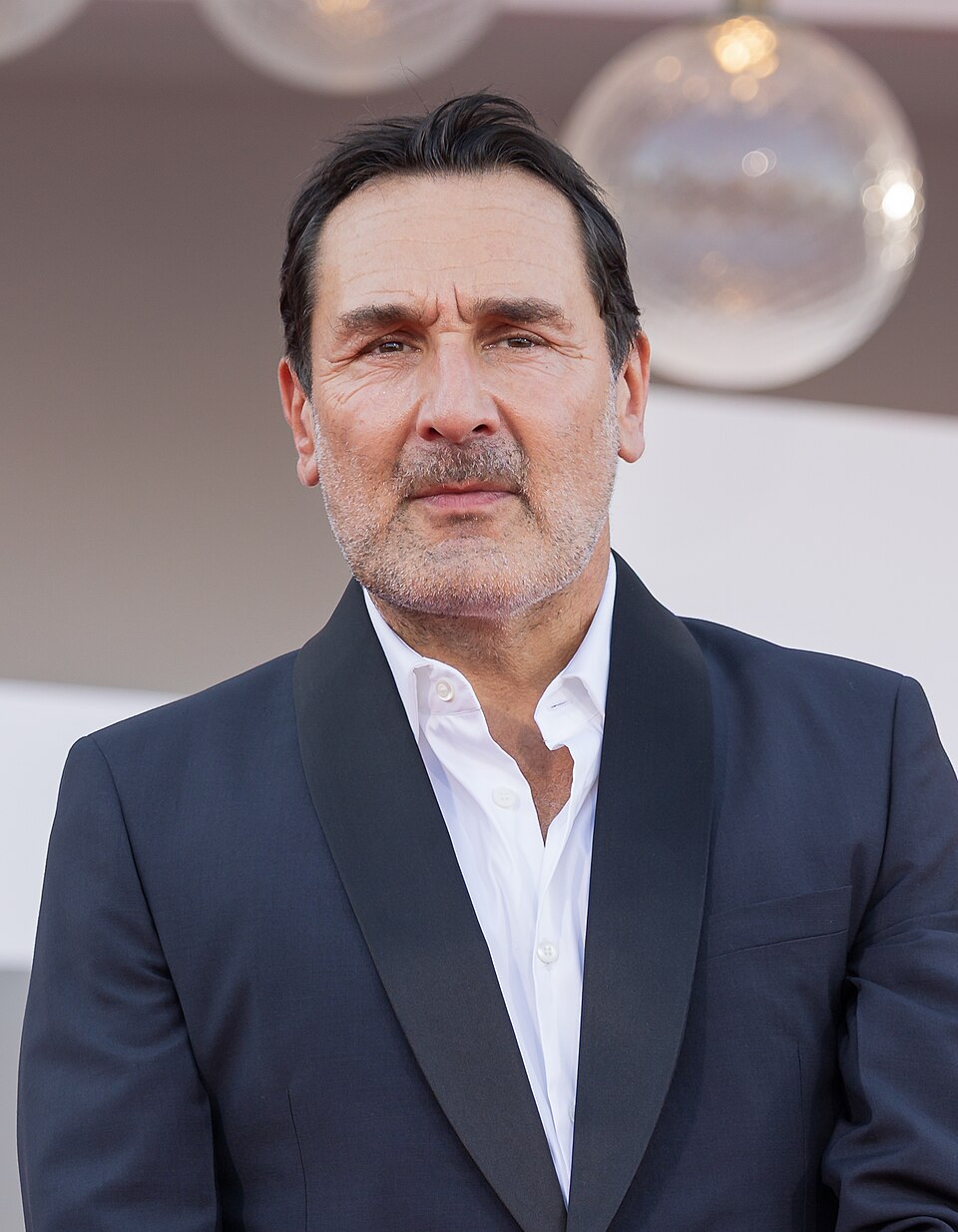
Gilles Lellouche Confronts Social Media Hate Over Polanski Affair
In the volatile landscape of modern celebrity, social media can be a double-edged sword. While offering direct connection with fans, it also exposes public figures to intense scrutiny, misinterpretation, and often, unbridled hate. French actor and director Gilles Lellouche found himself squarely in this digital crossfire following the controversial César award presented to Roman Polanski in February 2020. The ensuing online firestorm saw Lellouche targeted by anonymous users, prompting him to leverage the very platforms that fueled the criticism to set the record straight. His experience sheds light on the complex relationship between public figures and digital networks, highlighting the challenges and responsibilities inherent in managing an online presence.
The Polanski Controversy and the Online Firestorm
The 2020 César Awards ceremony, France's most prestigious film accolades, became a hotbed of contention long before the awards were even distributed. The nomination of Roman Polanski's film "J'accuse" (An Officer and a Spy) for twelve awards, including Best Director, ignited a fierce debate. Polanski, a filmmaker with a history of sexual assault allegations, became a symbol of a broader conversation about accountability in the #MeToo era. When Polanski was ultimately awarded the César for Best Director on February 28, 2020, the outrage reached a fever pitch, famously culminating in actress Adèle Haenel walking out in protest, declaring "C'est la honte!" (It's a shame!).
The controversy spilled rapidly from the ceremony hall onto social media platforms, transforming them into arenas of intense public discourse. Many perceived the award as an affront to victims and a sign of continued impunity for powerful figures in the film industry. In this highly charged environment, associations, however indirect, were enough to draw significant backlash. Gilles Lellouche, a celebrated figure in French cinema known for his roles in films like "Les Petits Mouchoirs" and "Le Grand Bain," found himself inadvertently caught in the maelstrom. His well-known friendship with actor Jean Dujardin, who starred in Polanski's "J'accuse," became the unfortunate bridge for online vitriol to reach Lellouche. On platforms like Twitter, where nuance is often lost in character limits and rapid-fire exchanges, users began to conflate Lellouche's friendship with Dujardin with an endorsement of Polanski or his alleged actions. This phenomenon of guilt by association is a common and dangerous facet of online hate campaigns, where context is stripped away in favor of immediate, often emotional, reactions.
The intensity of the messages Gilles Lellouche received underscores the power of these digital networks to amplify public sentiment, for better or for worse. Anonymous accounts and even verified users felt empowered to hurl insults and accusations, demanding that Lellouche declare his allegiance. For many public figures, the instinct might be to retreat or ignore such attacks, but Lellouche chose a different path.
Lellouche's Digital Stand: A Clarification on Twitter
Confronted by a torrent of hostile messages on his social media accounts, Gilles Lellouche opted not to remain silent. On Sunday, March 1, 2020, he took to Twitter to address the "hate" he was receiving directly. His message was succinct, clear, and aimed at dispelling the harmful misconceptions circulating online:
"Alors pour répondre à la haine des messages que je reçois, c'est mon ami Jean Dujardin que j'ai soutenu et pas Polanski. Je suis, comme beaucoup, choqué qu'on ait pu lui donner ce César là cette année-là, comme je le suis des raccourcis et amalgames qui se font aujourd'hui. Voilà."
In this powerful statement, Lellouche meticulously unraveled the "raccourcis et amalgames" (shortcuts and conflations) that had defined the online attacks. He made it unequivocally clear that his support was for his friend, Jean Dujardin, and not an endorsement of Roman Polanski. Furthermore, he aligned himself with the widely held sentiment of shock regarding the César award itself, explicitly stating his disapproval of the decision. This direct engagement on social media platforms, where the accusations had festered, was a strategic move. By using the same medium to deliver a nuanced clarification, Lellouche aimed to reclaim his narrative and prevent further misinterpretation. It was a testament to the idea that effective use of social media for public figures sometimes means confronting negativity head-on with honesty and clarity, rather than allowing silence to be misconstrued as complicity.
Lellouche's friend, Jean Dujardin, who had not been present at the César ceremony along with the rest of the "J'accuse" team, also weighed in. He republished a previously deleted Instagram message, reiterating his justification for participating in Polanski's film: "Je le redis. En faisant ce film, j'ai cru et je l'espère encore avoir fait plus de bien que de mal." While Dujardin's statement offered his perspective, Lellouche's message was particularly impactful for its direct refutation of the online hate directed at him personally, effectively drawing a line between friendship and endorsement.
Beyond the Backlash: Gilles Lellouche's Broader View on Social Media
While the Polanski affair brought Gilles Lellouche's engagement with social media into sharp focus, his relationship with digital networks extends far beyond this specific controversy. In a candid interview with Madame Figaro alongside actress Laetitia Casta, Lellouche revealed a thoughtful and often cautious perspective on social media, particularly concerning its impact on children and personal well-being. This broader view highlights that for Lellouche, "gilles lellouche réseaux" isn't just about managing crises, but about understanding the profound societal and personal implications of digital connectivity.
The interview touched upon the challenges of navigating the digital age as parents. Lellouche, a father to daughter Ava, confessed to having actively "repoussé au maximum" (pushed back as much as possible) the introduction of a smartphone into her life. He proudly stated, "J'ai tenu jusqu'à ses 15 ans. Je préférais la laisser grandir avec son imaginaire et l'ennui." This stance resonates deeply with growing concerns among child development experts about excessive screen time and the potential erosion of creativity and imaginative play. Lellouche's desire for his daughter to experience "ennui" (boredom) – a state often seen as a precursor to creativity and self-discovery – reflects a poignant nostalgia for a less connected era.
Laetitia Casta, sharing Lellouche's viewpoint, echoed the sentiment of yearning for a time when "le manque nourrissait la créativité" (lack nourished creativity). Their joint reflection underscores a shared parental vigilance regarding the omnipresence of screens and the allure of compulsive scrolling. They articulate a lucid, perhaps even critical, vision of the digital world, where the benefits of connectivity must be weighed against its potential pitfalls for development and mental health.
This perspective reveals a side of Gilles Lellouche that views social media not just as a tool for communication or damage control, but as a powerful force shaping the next generation. His approach to parenting in the digital age is proactive and protective, aiming to foster an environment where children can develop their inner resources before being fully immersed in the online world. This nuanced understanding adds significant depth to the keyword "gilles lellouche réseaux," illustrating his engagement with digital platforms on both a public and deeply personal level.
Navigating the Digital Maze: Tips for Public Figures and Parents
Gilles Lellouche's experiences offer valuable lessons for anyone grappling with the complexities of social media, whether they are in the public eye or simply navigating daily digital life. His journey from being a target of online hate to a thoughtful advocate for conscious digital parenting provides a compelling case study.
For Public Figures Facing Online Hate:
- Don't Be Afraid to Clarify: As Lellouche demonstrated, silence can often be misinterpreted as assent. A concise, clear, and direct statement can be highly effective in setting the record straight and dispelling rumors.
- Choose Your Battles Wisely: While clarifying is important, not every comment requires a response. Knowing when to engage and when to ignore is crucial for mental well-being and maintaining focus.
- Focus on Facts, Not Emotion: Lellouche's statement was factual and to the point. Emotional responses can escalate situations rather than de-escalate them.
- Lean on Your Authentic Voice: Audiences can detect sincerity. Responding in a way that aligns with your true character will be more impactful.
- Utilize Support Systems: Public figures often have teams to help manage their online presence. Having a strategy in place can prevent impulsive reactions during high-pressure situations.
For Parents Managing Screen Time and Social Media:
- Delay Smartphone Access: Following Lellouche's example, consider delaying giving children their own smartphones. Encourage other forms of play and social interaction.
- Prioritize Imagination and Boredom: Create opportunities for unstructured play and quiet time. These moments are vital for fostering creativity, problem-solving skills, and self-reliance.
- Lead by Example: Children learn from observation. Be mindful of your own screen time habits and how you interact with digital devices.
- Open Communication: Foster an environment where children feel comfortable discussing their online experiences, both positive and negative, without fear of judgment.
- Set Clear Boundaries and Rules: Implement family rules regarding screen time limits, appropriate content, and online safety. Tools and parental controls can be helpful, but consistent communication is key.
- Educate on Digital Citizenship: Teach children about online etiquette, the permanence of digital footprints, and the importance of critical thinking when consuming online content.
The incident with Gilles Lellouche and the Polanski affair serves as a potent reminder of the challenges inherent in our interconnected world. It highlights the speed at which narratives can shift and the necessity for clear communication, while his broader views with Laetitia Casta underscore the importance of conscious digital choices for future generations.
In conclusion, Gilles Lellouche's interaction with social media, from confronting hateful accusations to thoughtfully discussing parental digital boundaries, offers a multifaceted view of "gilles lellouche réseaux." His swift and clear response to the Polanski controversy demonstrated an effective way for public figures to navigate online firestorms, while his shared insights with Laetitia Casta illuminate a conscious approach to digital parenting in an increasingly connected world. These instances underscore the dual nature of social media – a platform for both immediate criticism and crucial clarification, demanding vigilance, wisdom, and a clear sense of personal values from those who engage with it.